When do spring allergies start in Texas? For many older adults, symptoms can begin as early as late January or February, especially in areas like Spring, TX, where tree pollen arrives early. In most cases, seniors notice allergy symptoms when oak, cedar, and other local pollens begin circulating in late winter and early spring.
Spring in Southeast Texas does not always wait for March to bring allergy season. Warmer winters and regional pollen patterns often mean earlier exposure compared to northern states. That timing can catch many retirees off guard, especially those adjusting to seasonal allergy timing older adults experience differently.
Understanding what to expect helps seniors prepare. Knowing when symptoms may start, what triggers them, and how long they tend to last can make managing allergies during retirement much easier.
When Do Spring Allergies Start in Texas?
In Texas, spring allergies often begin earlier than people expect. Cedar pollen can peak in January and February, followed by oak and other tree pollens in March and April.
In the Spring, TX area, fluctuating temperatures can extend pollen circulation. This means seniors may experience symptoms before spring officially begins on the calendar. For those researching senior living spring tx options, understanding local allergy timing is part of seasonal wellness planning.
The combination of early tree pollen circulation and regional climate patterns explains why allergy season may feel longer here.
For older adults, recognizing these patterns early helps reduce frustration and allows better planning for outdoor activities.
Are Spring Allergies Worse for Older Adults?
Spring allergies are not necessarily worse for seniors, but symptoms can feel more noticeable. Aging changes the immune system, which may influence how the body responds to pollen exposure.
Older adults may experience:
- Nasal congestion
- Watery eyes
- Sneezing
- Sinus pressure
- Fatigue
While these are common allergy symptoms spring seniors report, they can overlap with other seasonal health changes. According to the CDC, seasonal allergies can affect breathing comfort and daily energy levels, especially during high pollen periods.
What Triggers Spring Allergies in Seniors?
Spring allergies are primarily triggered by pollen. In Southeast Texas, tree pollen leads the season, followed by grasses as temperatures rise.
Common triggers include:
- Oak pollen
- Cedar pollen
- Grass pollen
- Mold spores
- Windy conditions
Wind plays a major role in spreading allergens. On breezy days, pollen counts often spike. The National Institute on Aging explains that environmental exposure can affect comfort, especially for individuals sensitive to seasonal allergens.
Mold can also contribute. After rain, mold spores may increase, adding another layer to spring allergies seniors Texas residents commonly experience. Monitoring daily pollen forecasts can help seniors adjust plans during peak days.
Being aware of local pollen patterns in Spring makes a difference in reducing unnecessary exposure.
How Long Do Spring Allergies Last?
Spring allergies typically last from late winter through early summer. In Texas, the season may extend from January through May, depending on rainfall and temperature shifts.
Tree pollen tends to peak first, followed by grass pollen in late spring. This staggered pattern explains why symptoms may seem to fade and then return. According to Mayo Clinic, seasonal allergies often improve once the specific pollen cycle ends.
For seniors, duration depends on sensitivity levels and environmental exposure. Some may experience mild symptoms for weeks, while others notice more intense reactions during peak pollen days.
Recognizing overlapping pollen seasons in Texas helps explain why allergy discomfort can feel prolonged compared to other regions.
How Does Senior Living Support Seasonal Wellness?
Managing allergies during retirement often involves simple lifestyle adjustments. Limiting outdoor exposure during peak pollen hours and spending time in comfortable indoor environments can reduce irritation.
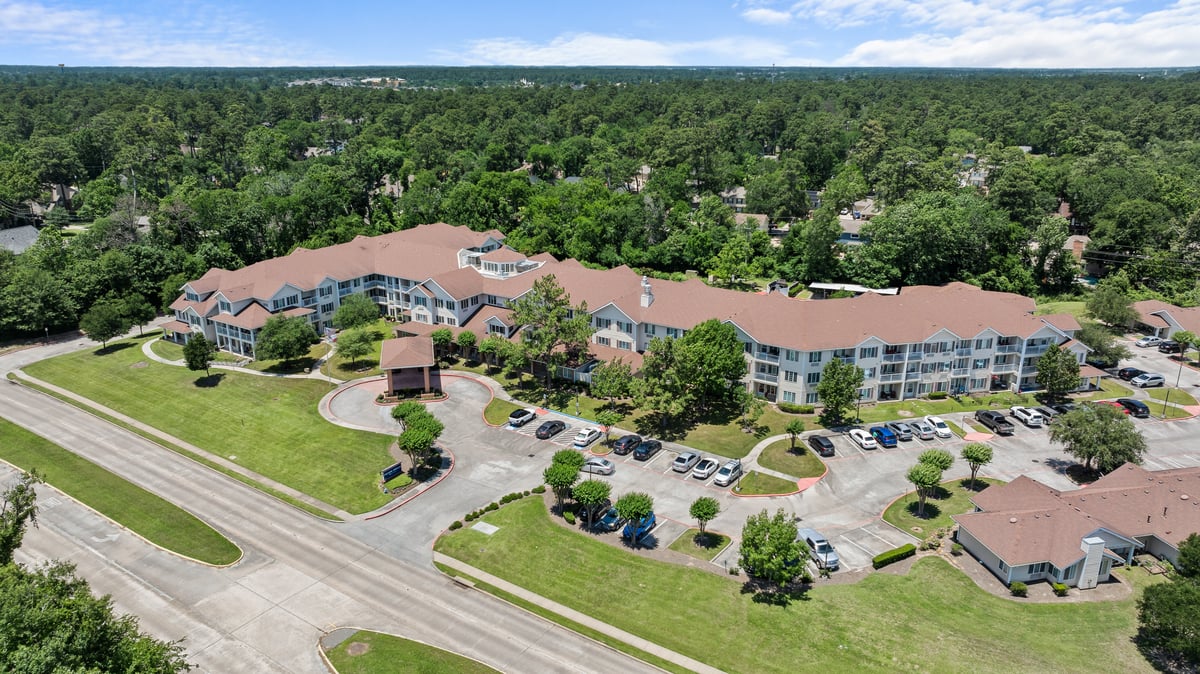
At Paradise Springs Senior Living, residents benefit from maintenance-free independent living, which means no yard work or direct landscaping exposure during high pollen days. That alone reduces one common source of irritation.
The community also offers shared indoor gathering areas and a structured activities calendar. On days when pollen counts are high, residents can stay socially engaged without needing to spend extended time outdoors.
This balance supports senior wellness springtime routines while allowing flexibility when symptoms flare.
Frequently Asked Questions
Do Spring Allergies Start Earlier in Texas Than in Other States?
Yes, they often do. Warmer winters and early tree pollination mean allergy season in Texas can begin weeks before northern states. Cedar pollen is one of the earliest triggers, sometimes appearing in January. This earlier timing explains why many seniors in Southeast Texas notice symptoms well before spring officially arrives.
Can Seasonal Allergies Develop Later in Life?
Yes. While many people develop allergies in childhood, some experience new sensitivities in older adulthood. Changes in the immune system and environmental exposure can influence reactions over time. Seniors who relocate to new climates may also develop seasonal allergy symptoms due to unfamiliar pollen patterns.
What Are Common Allergy Symptoms in Older Adults?
Typical symptoms include sneezing, congestion, itchy eyes, and sinus pressure. Some seniors may also feel tired during peak pollen periods. These symptoms can overlap with colds, which is why tracking timing and exposure patterns is helpful in identifying seasonal triggers.
Are Indoor Allergies Worse During Spring?
They can be. Opening windows during high pollen days allows allergens indoors. Pollen can also attach to clothing and shoes. Keeping windows closed and limiting exposure during peak counts may help reduce indoor irritation levels.
When Should Seniors Seek Medical Advice?
If allergy symptoms interfere with breathing comfort, sleep, or daily activities, consulting a healthcare professional is recommended. Persistent coughing, wheezing, or sinus pain should not be ignored. While seasonal allergies are common, severe reactions require proper evaluation.
When Do Spring Allergies Start for Seniors in Spring, TX?
Understanding when do spring allergies start helps older adults prepare rather than react. In Spring, TX, allergy season may begin as early as January and continue through late spring due to overlapping pollen cycles.
Paradise Springs Senior Living offers Independent Living with Supportive Services, giving residents a comfortable, climate-controlled environment during peak allergy periods. With maintenance-free living and a structured social calendar, residents can stay active and connected even when pollen levels rise.
If you are exploring senior living in spring tx and want a lifestyle designed for comfort throughout every season, visit the Contact page to schedule a tour and learn more about Paradise Springs Senior Living.